What Is Artificial Intelligence? - Explained Simply
Basics of AI, Real-World Examples, and the Future Ahead
Introduction
Artificial Intelligence, or AI, is one of the most fascinating technologies of our time. It allows computers to think, learn, and make decisions almost like humans. From the voice assistant on your phone to self-driving cars and smart recommendations on Netflix — AI is shaping the way we live, work, and interact with technology.
But what exactly is AI, and how does it work? Let’s break it down simply.
What Is Artificial Intelligence?
Artificial Intelligence (AI) is the science of making machines “smart.” In simple terms, it means creating computer programs or systems that can perform tasks that usually require human intelligence — such as understanding language, recognizing images, solving problems, or making decisions.
Think of AI as giving computers the ability to learn from experience (data) instead of being told exactly what to do for every situation.
The Basics: How AI Works
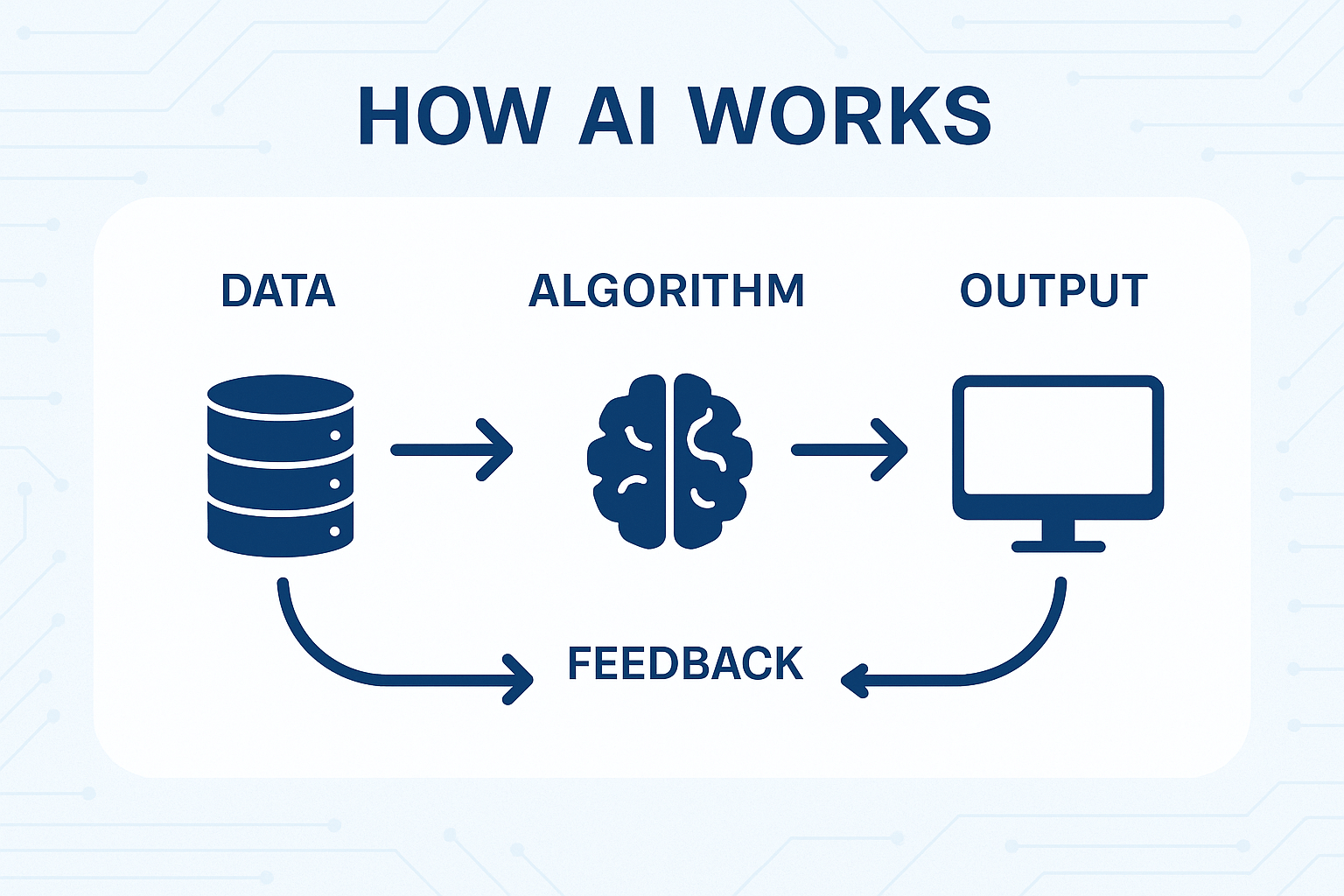
AI works through a combination of data, algorithms, and computing power.
Data: AI systems learn from massive amounts of information — images, text, numbers, sounds, etc.
Algorithms: These are the step-by-step instructions or “rules” that tell the computer how to analyze the data and learn from it.
Training: The AI model is trained using examples until it can make predictions or decisions on new, unseen data.
Feedback: The system keeps improving over time through experience — similar to how humans learn from mistakes.
Real-World Examples of AI
AI is already all around us — often in ways we don’t even notice. Here are some popular examples:
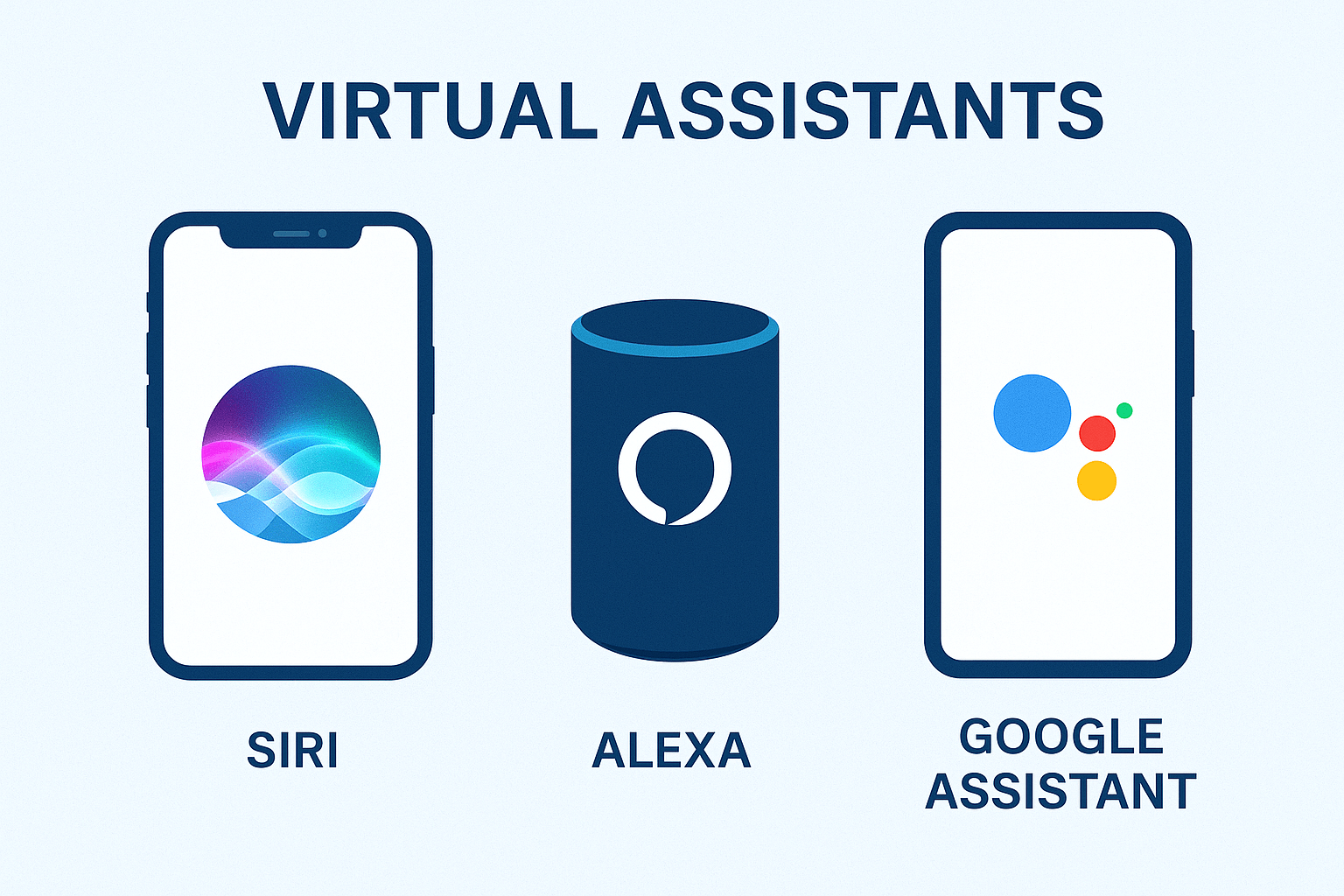
Virtual Assistants: Siri, Alexa, and Google Assistant use AI to understand and respond to your voice commands.
Recommendation Systems: Netflix, YouTube, and Spotify suggest what you’ll enjoy next based on your past choices.
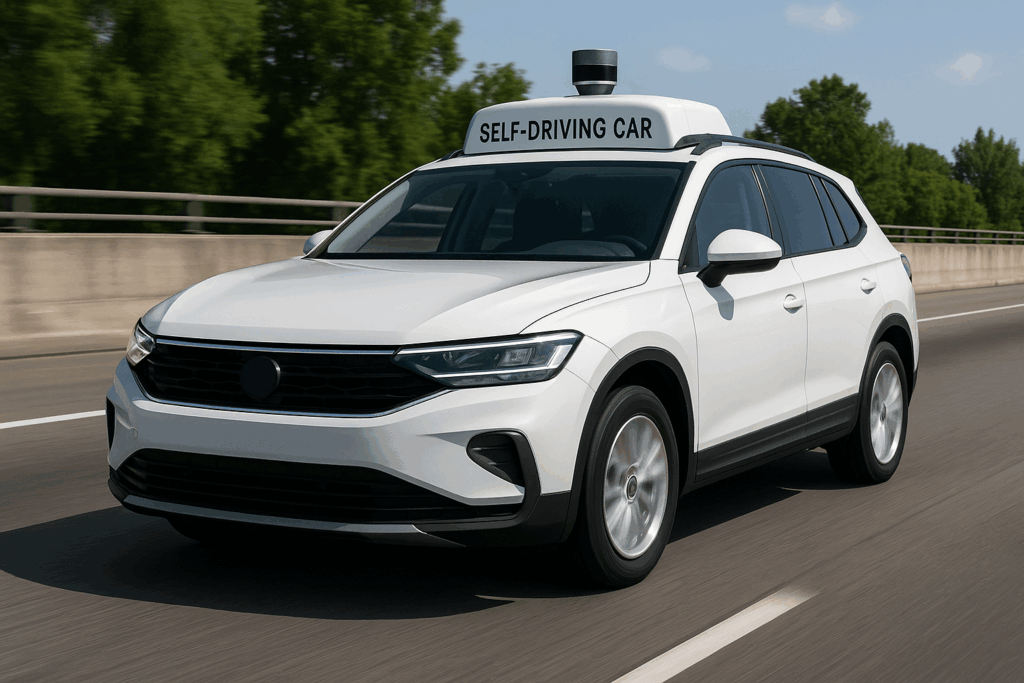
Self-Driving Cars: Tesla and Waymo use AI for object detection, navigation, and safe driving decisions.
Healthcare AI: Systems like IBM Watson assist doctors by analyzing patient data and suggesting diagnoses.
Chatbots & Customer Service: Businesses use AI chatbots to provide 24×7 customer support.
Image Recognition: Apps like Google Lens or facial unlock on smartphones rely on AI vision systems.
Types of Artificial Intelligence (Simplified)
AI can be classified into three broad levels based on its capability:
Narrow AI (Weak AI): Designed for specific tasks — like face recognition or weather prediction. (Example: Google Translate, ChatGPT, or spam filters.)
General AI (Strong AI): A system that can think and learn like a human being. This is still a theoretical concept.
Super AI: A futuristic idea where machines surpass human intelligence. It’s a common topic in science fiction, but still far from reality.
Future Scope of AI
AI’s potential is limitless. Here are a few fields where AI is transforming the future:
Healthcare: Early disease detection, robotic surgeries, and personalized medicine.
Education: Smart learning systems that adapt to each student’s pace.
Transportation: Fully autonomous vehicles and intelligent traffic management.
Business & Finance: Fraud detection, predictive analytics, and automated trading.
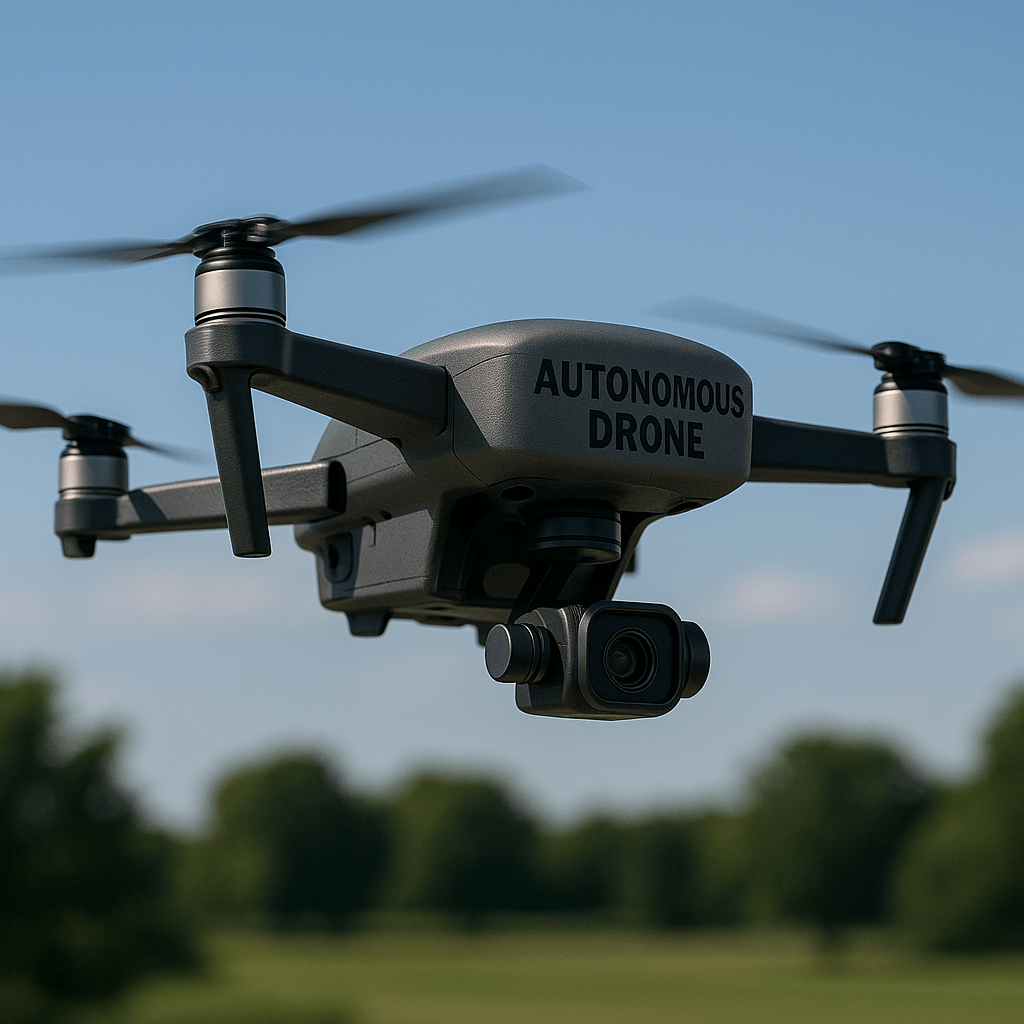
Space & Defense: AI-powered robots for Mars exploration, autonomous drones, and threat prediction.
AI is expected to become an essential part of every industry — not just replacing jobs but creating new opportunities for innovation and creativity.
Challenges and Ethics
As AI becomes more powerful, questions of privacy, bias, and job displacement arise. It’s important to design responsible AI systems that are transparent, fair, and safe for everyone.
Conclusion
Artificial Intelligence isn’t magic — it’s the result of human creativity and smart computing. It’s helping us solve problems faster, make better decisions, and push the limits of what technology can do.
As we move into the future, understanding AI will become as essential as knowing how to use the internet today. The best way to prepare? Learn, explore, and stay curious — because AI is not just the future, it’s already here.