
Python has become one of the most popular and versatile programming languages for web development. Whether you’re a student just starting out, a blogger looking to enhance your site, a small business owner aiming to build a user-friendly website, or a developer exploring new tools, Python offers a rich ecosystem that supports all these needs with ease. This beginner’s guide to Python for web development will walk you through the basics of how to get started, the best frameworks to consider in 2026, and practical tips to make your web projects successful.
Why Choose Python for Web Development?
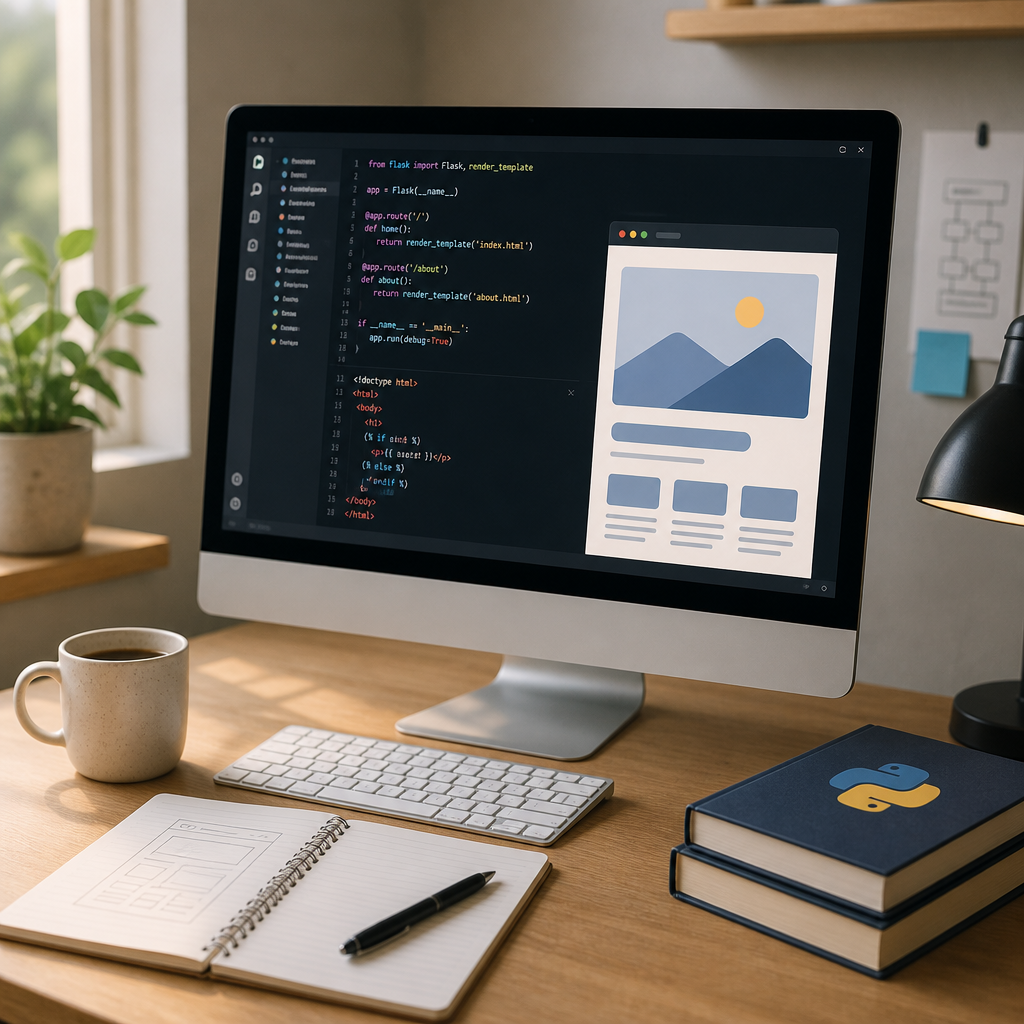
Python’s simplicity and readability make it an excellent language for beginners while its extensive libraries and frameworks attract professional developers. It allows rapid development of both simple and complex websites. One of the key reasons Python stands out for web development is its rich ecosystem that supports integration with technologies like AI and machine learning, which are becoming increasingly important in modern web apps.
What is Python Used for in Web Development?
In web development, Python is commonly used for backend server-side programming. It handles database interactions, user authentication, data processing, and server logic. Python frameworks simplify these tasks and provide reusable modules so developers can focus on creating the user experience rather than reinventing wheels.
How to Learn Python for Web Development: A Step-By-Step Guide
For beginners, starting with Python coding for web can feel overwhelming, but breaking it down into steps makes it manageable.
Checklist: Getting Started with Python for Web Development
- ☐ Learn Python syntax, variables, and data types
- ☐ Understand HTTP requests and client-server model
- ☐ Explore front-end basics: HTML, CSS, JavaScript
- ☐ Choose a Python web framework (Django, Flask, or FastAPI)
- ☐ Build a small project to practice routing and templates
Step 1: Understand the Basics of Python
Begin with learning Python syntax, variables, data types, control flow, and basic functions. Numerous online tutorials and books, including those available on CodDesire.com, can help you build a strong foundation.
Step 2: Learn Core Web Development Concepts
Familiarize yourself with how the web works—HTTP requests, client-server architecture, and front-end basics like HTML, CSS, and JavaScript. Understanding these concepts will make backend programming with Python clearer.
Step 3: Choose a Python Web Framework
Frameworks streamline development by providing tools and libraries. For 2026, the top Python frameworks include:
- Django 5.2 LTS: Released in April 2025, it offers long-term support until 2028, making it a reliable choice for full-stack web applications.
- FastAPI: Known for high performance and support for asynchronous programming, FastAPI is fast becoming the preferred choice for building APIs.
- Flask: A lightweight micro-framework that offers simplicity and flexibility, especially for smaller or simpler applications.
Each has its strengths, and your choice depends on the project complexity and your familiarity. For beginners, Django and Flask are often recommended starting points.
Step 4: Build Your First Python Web App
Start with a small project like a personal blog, a to-do list app, or a contact form. This will help you understand routing, templates, and database integration in practice.
| Framework | Best For | Key Features | Ideal For Beginners? |
|---|---|---|---|
| Django 5.2 LTS | Full-stack applications & long-term projects | Batteries included, ORM, admin interface, strong security | Yes |
| FastAPI | High-performance APIs, async programming | Speed optimized, easy integration with ML/AI models | Intermediate |
| Flask | Small/simple apps & flexible control | Lightweight, modular, easily extensible | Yes |
Best Python Frameworks for Web Development in 2026
Choosing the right framework can accelerate your learning and project success. Here’s a quick overview to help you decide:
Django 5.2 LTS
Django is a high-level framework that comes with batteries included. It handles everything from URL routing to ORM and admin interface out of the box. Its latest long-term support release in 2025 ensures stability and security till 2028, making it a strong candidate for projects requiring long-term maintenance.
FastAPI
FastAPI has soared in popularity due to its speed and modern async features, perfect for building high-performance APIs. It’s particularly suited for developers looking to integrate AI and machine learning models into their web apps, given Python’s strengths in these fields.
Flask
Flask remains popular for smaller applications or when you want more control over components. It provides the essential tools you need, with the flexibility to add extensions as necessary. It’s an excellent learning framework for beginners.
Qualitative Performance Overview of Python Web Frameworks in 2026
75%
90%
60%
Note: These are qualitative relative indicators based on performance and scalability features to help guide framework choice.
Python Web Development Tips for Small Business Owners
- Start simple: Use Django or Flask to create a basic website with essential features before adding advanced functionality.
- Leverage existing templates and plugins: This helps speed up development and reduces costs.
- Ensure security: Always keep your frameworks up to date. Be aware of vulnerabilities such as the recent “BadHost” issue affecting some Python web frameworks like Starlette, which can impact applications that integrate AI.
- Consider scalability: If your business is growing, frameworks like Django and FastAPI offer scalable solutions for expanding functionality.
- Explore AI integration: Utilize Python’s AI and machine learning libraries to build smarter web features such as chatbots, recommendation systems, or data analytics dashboards.
Key Takeaway: Python Empowers Web Developers at Every Level
Python’s combination of beginner-friendly simplicity, powerful frameworks, and seamless AI integration makes it an ideal choice for web development today and tomorrow. Whether you’re building your first website or creating scalable, intelligent web applications, Python provides the right tools to succeed.
Practical Python Coding for Web: Example
Here’s a simple example of creating a “Hello, World!” web app using Flask:
from flask import Flask

app = Flask(__name__)

@app.route('/')
def hello_world():
    return 'Hello, World! Welcome to Python web development.'

if __name__ == '__main__':
    app.run(debug=True)
This tiny app sets up a web server that displays a greeting when users visit the homepage. Once comfortable, you can expand this to handle databases, user input, and more.
FAQs: Python for Web Development
What is Python used for in web development?
Python is primarily used for backend development, handling server-side logic, database interactions, and integrating APIs. It can also facilitate building full-stack web apps with frameworks like Django.
How do beginners start web development with Python?
Start by learning Python basics, then move to web-specific concepts and frameworks such as Flask or Django. Building small projects helps solidify your knowledge.
Which Python frameworks are best for web development?
Django, FastAPI, and Flask are the top frameworks in 2026. Django is ideal for robust, scalable applications. FastAPI excels at high-performance APIs, and Flask offers simplicity and flexibility.
Can small business owners use Python for their websites?
Absolutely. Python frameworks allow small business owners to create secure, scalable, and feature-rich websites without a huge budget. Plus, the integration of AI features can provide a competitive edge.
Sources and further reading
- What Are the Best Full-stack Web App Frameworks in 2026? – Wasp
- Best Python Web Frameworks in 2026: FastAPI, Django, Flask and When to Use Each – Dualite
- Best Backend Frameworks 2026: Top Server-Side Tools Every Full-Stack Developer Should Know – QuartzDevs
- Worrying open-source security issue ‘BadHost’ could affect millions of AI agents, experts warn – TechRadar
For more beginner Python web development tutorials and resources, visit CodDesire.com and explore the rich collection of books and guides tailored for aspiring web developers.