In today’s dynamic digital landscape, delivering a personalized web experience is no longer a luxury but a necessity. Leveraging AI-powered personalization in web development allows websites to adapt content, design elements, and functionalities based on individual user preferences and behaviors. This transformation makes websites more engaging and user-friendly, significantly boosting user satisfaction and business results. Whether you are a student, beginner developer, blogger, or small business owner, understanding how to integrate AI personalization effectively can elevate your projects and online presence.
What is AI-Powered Personalization?
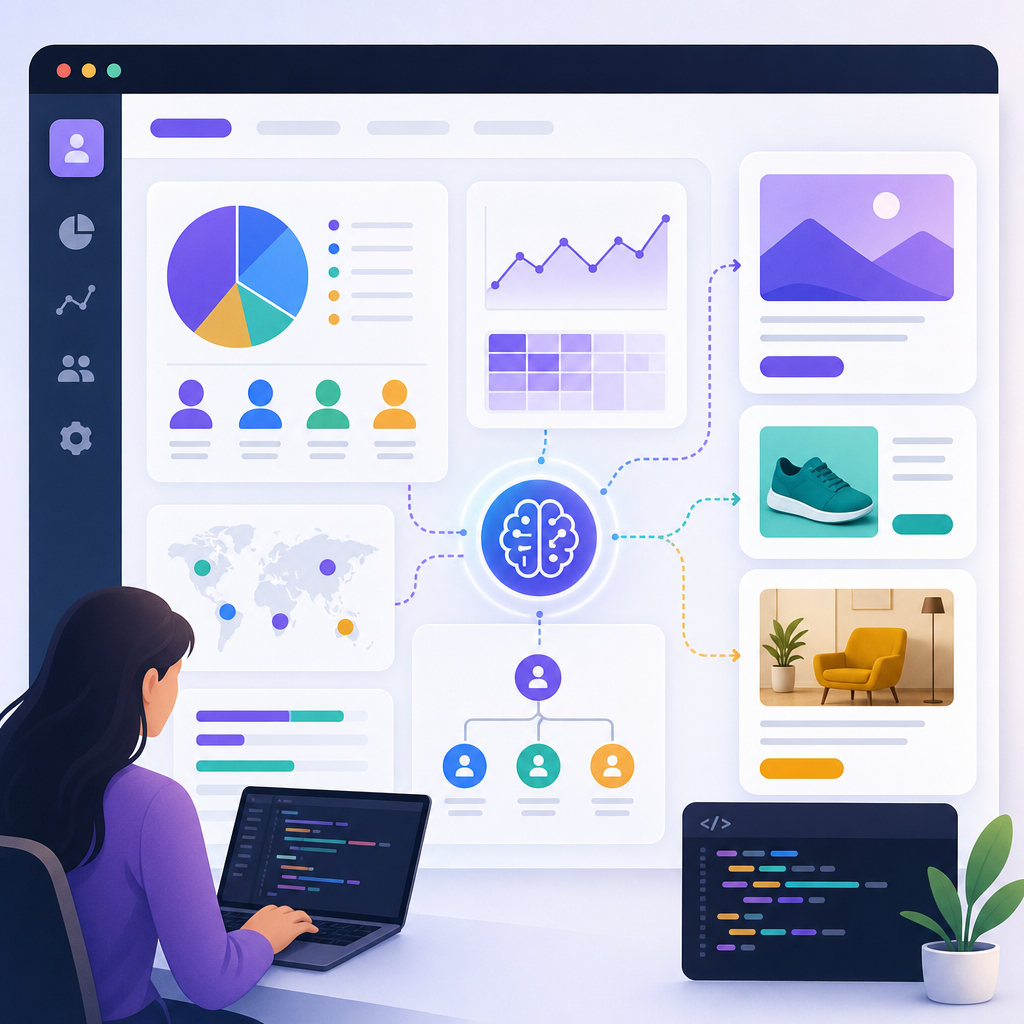
AI-powered personalization in web development refers to the use of artificial intelligence technologies to tailor website content and interactions to each user’s unique characteristics and behaviors. Unlike traditional static websites, personalized sites dynamically adjust what they show based on data such as browsing history, geographic location, device type, and user interactions.
For example, an e-commerce site could use AI to recommend products based on a visitor’s past purchases or browsing patterns. A blog might show different article suggestions depending on the reader’s interests identified by AI algorithms. This customized approach creates a more relevant and enjoyable experience for visitors.
How Does AI Improve Web Development?
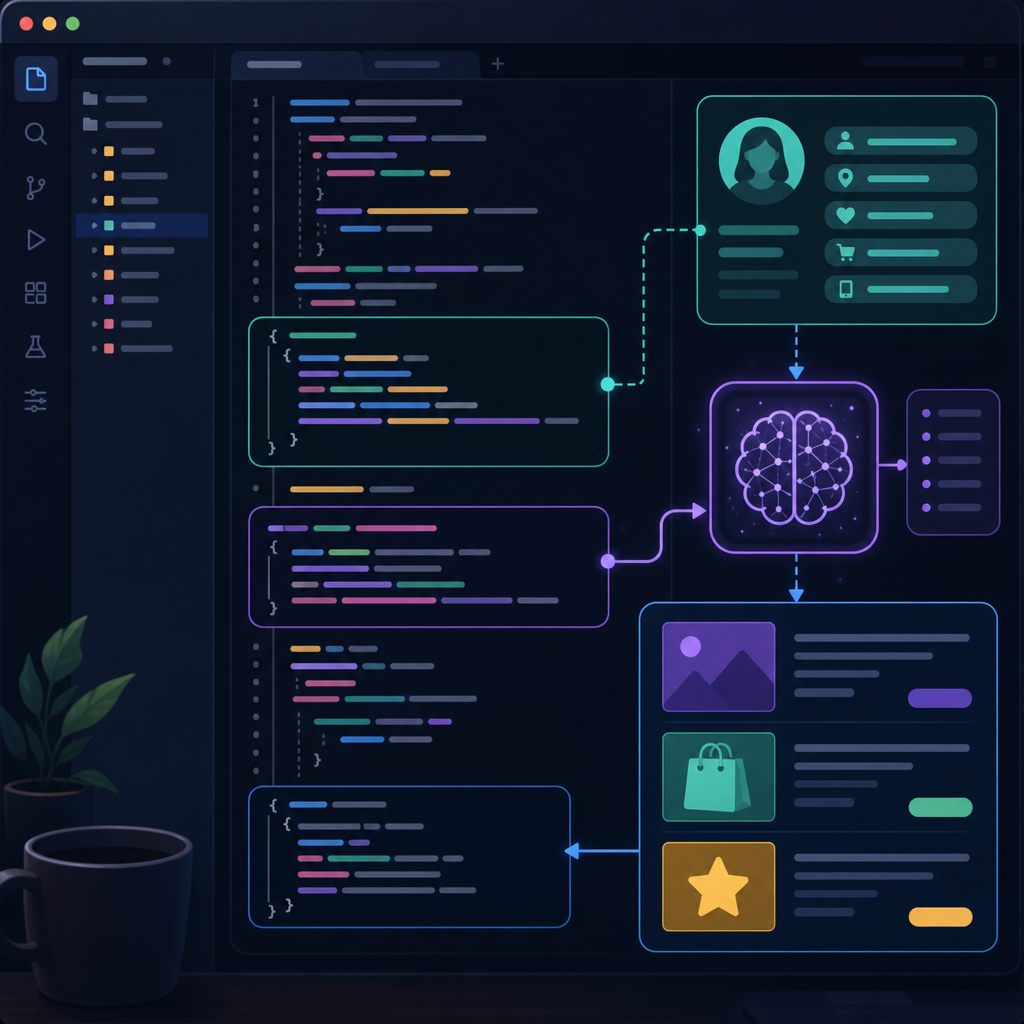
AI enhances web development by providing tools and techniques that automate complex tasks, improve user targeting, and optimize design and content delivery. Some key improvements include:
- Dynamic Content Creation: AI can generate tailored text, images, or videos matching user profiles in real time, offering unique experiences for every visitor.
- Advanced Data Analysis: AI processes large volumes of user data quickly, uncovering patterns and preferences that humans might miss, enabling more accurate personalization strategies.
- Enhanced User Engagement: Personalization keeps users engaged longer by presenting content that resonates with their interests, leading to higher conversion rates.
- Efficiency in Development: With AI-powered coding assistants like Replit and ChatGPT, developers—especially beginners—can speed up code creation and integration of personalized features.
Comparison of Popular AI Personalization Tools for Web Development
| Tool | Best For | Key Features | Ease of Use | Pricing Model |
|---|---|---|---|---|
| Nexus AI by CodDesire | Beginners, Small Business | Simple integration, preset AI personalization APIs, user-friendly interface | High | Freemium, subscription for advanced features |
| Replit & ChatGPT | Developers, Content Generation | AI-powered coding help, generation of personalized content snippets | Medium | Free tiers + paid subscriptions |
| Mida | Enterprises, Real-time Personalization | Real-time behavior tracking, adaptive content, analytics dashboard | Medium | Subscription-based pricing |
| Mutiny | Marketers, Website CRO | User segmentation, customizable campaigns, A/B testing | Medium | Tiered subscriptions |
Why Should Beginners and Small Business Owners Care About AI Personalization?
AI for website customization is no longer reserved for large enterprises with big budgets. There are now accessible AI personalization tools designed with usability in mind, helping beginners and small businesses create impactful websites without requiring extensive technical knowledge.
For beginners, AI offers a way to learn and implement sophisticated features step by step without starting from scratch. Platforms like Nexus AI by CodDesire provide AI-driven solutions that simplify integration and make the technology approachable.
Small business owners can leverage AI-driven personalization to compete more effectively online by delivering a tailored user experience that attracts and retains customers, improving both brand loyalty and sales.
Step-by-Step Process for Integrating AI Personalization in Your Website
1. Understand Your Audience and Goals
Start by defining who your website visitors are and what you want to achieve through personalization—whether it’s increasing engagement, boosting sales, or enhancing user retention.
2. Choose Suitable AI Personalization Tools
Select AI tools that match your skill level and needs. Popular options include:
- Replit and ChatGPT: Great for AI-assisted coding and generating personalized content.
- Mida and Mutiny: Advanced platforms offering real-time website content adaptation based on user data and behavior.
- Nexus AI: An easy-to-use platform by CodDesire aimed at streamlining AI integration in web projects.
3. Collect and Analyze User Data Responsibly
Gather data such as user preferences, click patterns, and purchase history using consent-based tools. Make sure to comply with privacy regulations and maintain transparency with your audience.
4. Implement AI Personalization Features Gradually
Start by integrating simple features like personalized greetings or product recommendations. Use AI-powered widgets or APIs from your chosen tools to embed these services directly into your website.
5. Test and Optimize
Monitor how users interact with personalized content and adjust algorithms and presentation accordingly. A/B testing can help determine what resonates best with your audience.
Successfully integrating AI-powered personalization involves understanding your audience, choosing the right tools, respecting user privacy, gradual implementation, and continuous optimization. This approach makes personalization achievable for beginners and small businesses alike.
Examples of AI Personalization in Action
- E-commerce Stores: Showing recommended products based on browsing history and previous purchases.
- Blogs and Content Sites: Offering article suggestions tailored to user interests and reading habits.
- Service Websites: Displaying customized service packages or promotions depending on client profiles.
Benefits of AI Personalization in Web Development
Important Considerations When Using AI Personalization
While AI personalization offers great benefits, it’s essential to be mindful of:
- Bias and Fairness: Recent research highlights the potential for bias in AI-generated content and software. Developers should monitor outputs to ensure fairness and avoid unintended discrimination. (Read more)
- Developer Control: Using configurable AI coding assistants helps maintain quality and relevance, preventing issues from over-reliance on automated outputs. (Learn about configurable AI assistants)
- Privacy and Data Protection: Always collect user data transparently and ethically, complying with local laws such as GDPR or CCPA.
Frequently Asked Questions
What is AI-powered personalization?
It’s the use of AI technologies to dynamically tailor website content and interactions based on individual user data and behavior, creating unique and relevant experiences.
How does AI improve web development?
AI helps developers automate complex tasks, analyze user data, generate personalized content, and optimize UX—all leading to more efficient development processes and engaging websites.
Can beginners use AI for website personalization?
Absolutely. There are many beginner-friendly AI personalization tools and platforms that simplify the integration process, such as Nexus AI and ChatGPT, making it accessible for newcomers.
What are the benefits of AI personalization in websites?
Improved user experience, higher engagement, better conversion rates, and a competitive advantage are some key benefits of integrating AI personalization into websites.