Machine learning has become a buzzword in technology and business circles alike. But what exactly is machine learning, and why does it matter for students, bloggers, developers, and small business owners? This article aims to provide a straightforward, non-technical introduction to understanding machine learning, breaking down key concepts, applications, and practical tips to get started. Whether you are curious about the basics or wondering how machine learning can impact your work or business, this guide is for you.
What is Machine Learning in Simple Terms?
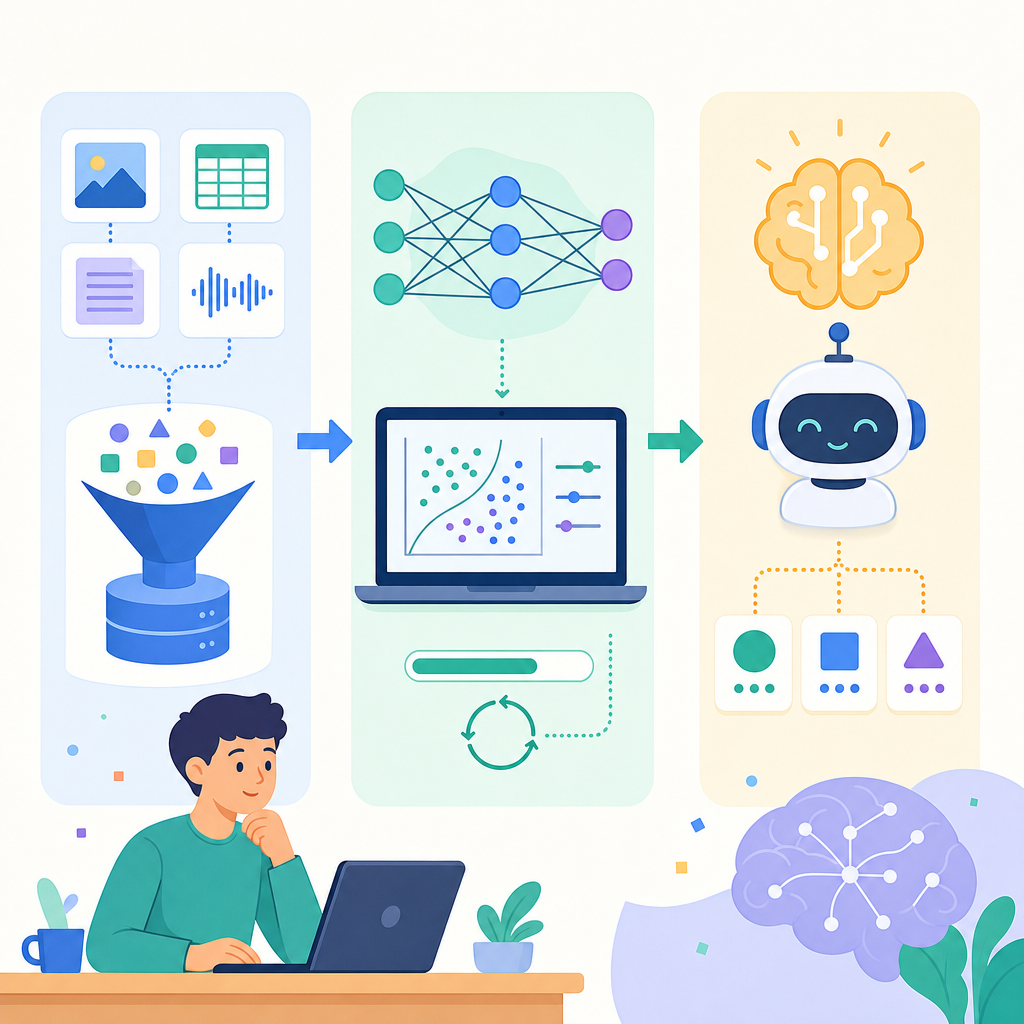
At its core, machine learning (ML) is a subset of artificial intelligence (AI) that enables computers to learn from data and improve their performance without being explicitly programmed step-by-step. Think of it as teaching a computer to recognize patterns and make decisions based on those patterns rather than handing it fixed instructions for every task.
For example, instead of programming a spam filter with every possible spam rule, machine learning lets the computer analyze thousands of emails and learn what characteristics usually indicate spam. After enough learning, it can automatically detect and filter spam emails even if the exact rules change over time.
Machine Learning Basics You Should Know
Here are some foundational concepts often covered when getting started with machine learning for beginners:
- Data: The fuel for machine learning. It could be numbers, images, text, or any information.
- Training: The process where the machine learning algorithm learns from the data.
- Model: The result of training—essentially, the ‘brain’ that can make predictions or decisions.
- Types of Learning:
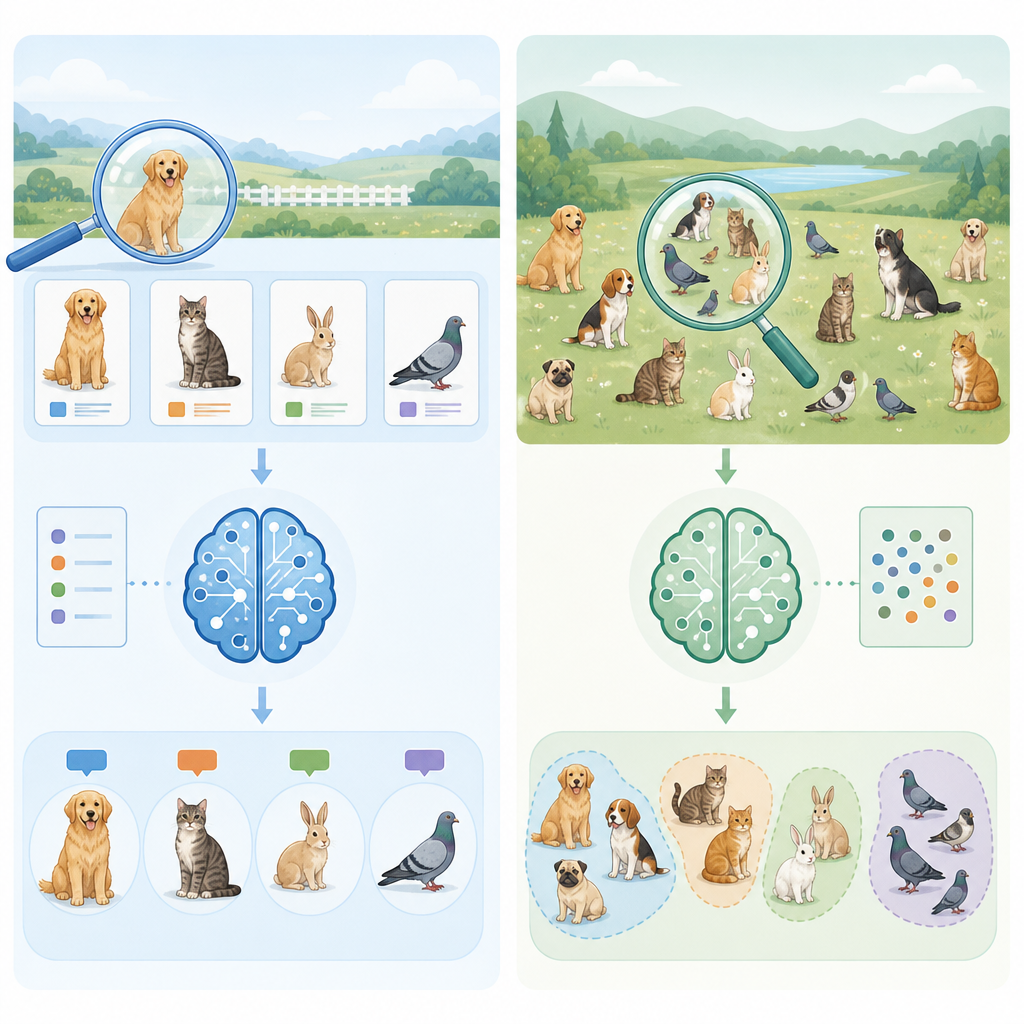
- Supervised learning: The model learns from labeled data (e.g., emails labeled as spam or not).
- Unsupervised learning: The model finds hidden patterns in unlabeled data.
- Reinforcement learning: The model learns by trial and error to achieve goals.
Comparison of Machine Learning Learning Types
| Type of Learning | Data Used | Purpose | Example |
|---|---|---|---|
| Supervised Learning | Labeled data (with answers) | Learn to predict or classify | Spam email detection |
| Unsupervised Learning | Unlabeled data | Find hidden patterns | Customer segmentation |
| Reinforcement Learning | Feedback from environment (rewards/punishments) | Learn best actions to reach a goal | Game AI or self-driving cars |
How Does Machine Learning Work for Beginners?
Machine learning works by feeding data into an algorithm that adjusts its internal parameters to predict outcomes or classify information better over time. Here’s a simple way to grasp the process:
Gather as much relevant data as possible.
Let the algorithm learn patterns.
Check performance on new data.
Adjust and retrain for accuracy.
For beginners, many online platforms and free tools allow you to practice these steps with no coding or complex math needed. Practical projects like image recognition or customer segmentation offer excellent hands-on experience.
Common Uses of Machine Learning Today
Machine learning is everywhere in daily life and business:
- Recommendation Systems: Netflix, YouTube, and Amazon use ML to suggest movies, videos, and products tailored to your preferences.
- Fraud Detection: Banks analyze transaction patterns to spot fraudulent activities automatically.
- Customer Insights: Businesses leverage ML to understand customer behavior and personalize marketing.
- Autonomous Vehicles: Self-driving cars rely heavily on machine learning for detecting surroundings and making decisions.
For small businesses, there are practical machine learning applications like chatbots, inventory forecasting, and customer service automation that can boost efficiency without heavy technical investment.
Understanding Machine Learning Concepts Without a Technical Background
Many beginners worry that machine learning is too technical to understand. The good news: it doesn’t have to be. You can grasp the core ideas by focusing on the “why” and “what” rather than the complex math or coding initially.
Start with:
- Simple analogies (e.g., a child learning from examples rather than instructions).
- Low-code or no-code platforms to experiment with ML models.
- Basic courses and guides targeted at non-technical audiences, like those found on sites such as CodDesire Books.
This approach builds your confidence and provides a foundation for more advanced learning if you desire.
Machine Learning Applications for Small Businesses
Small business owners can leverage machine learning in many affordable and impactful ways:
- Customer Segmentation: Identify different types of customers and tailor offerings.
- Sales Forecasting: Predict future sales trends based on historical data.
- Chatbots and Virtual Assistants: Automate customer support and improve engagement.
- Social Media Insights: Analyze customer feedback and trends for better marketing strategies.
Exploring these applications can give your business a competitive edge without heavy technical requirements. For more detailed tools and AI-based services, check out useful resources like Nexus AI by CodDesire.
Relative Popularity of Machine Learning Applications for Small Businesses
Practical Tips for Getting Started with Machine Learning
If you’re ready to explore machine learning further, here are some actionable tips:
- ✔ Start with small projects matching your interests
- ✔ Explore free online resources and structured courses
- ✔ Focus on understanding concepts before coding
- ✔ Practice with free datasets and user-friendly tools
FAQ: Understanding Machine Learning
What is machine learning and how does it work?
Machine learning is a method where computers learn from data to make predictions or decisions without explicit programming. It works by training models on data so they can recognize patterns and apply that knowledge to new information.
Can beginners learn machine learning without a technical background?
Absolutely. Many beginner-friendly resources and tools make it possible to learn ML concepts and apply them without deep programming or math knowledge.
What are the common uses of machine learning?
Common uses include recommendation systems, fraud detection, customer segmentation, autonomous vehicles, and many business automation tasks.
How does machine learning impact small businesses?
ML helps small businesses improve customer understanding, automate routine tasks, enhance marketing strategies, and forecast sales more accurately, all of which can lead to better decision-making and growth.