
In today’s digital world, understanding SEO fundamentals is essential for students, bloggers, small business owners, and developers who want to boost their online presence. Search engine optimization (SEO) is the practice of optimizing your website so that it ranks higher in search engine results, attracting more organic traffic and potential customers. Whether you’re new to SEO or looking to refresh your knowledge, this comprehensive guide will walk you through the basics and recent trends to help you succeed in 2026.
What Is SEO and Why Is It Important?

SEO, or search engine optimization, involves a set of strategies and techniques designed to help your website appear more prominently in search engines like Google. The higher your website ranks, the more likely it is that users will visit your site. This is crucial because organic search remains one of the primary ways people find information online.
In 2026, SEO has evolved significantly with the integration of AI technologies. Google now features AI Overviews that answer about 16% of queries directly on the search results page, which means traditional click-throughs have decreased. This shift highlights the need for websites to focus not only on ranking but also on providing high-quality, authoritative content that satisfies user intent.
SEO Basics: Understanding the Core Elements
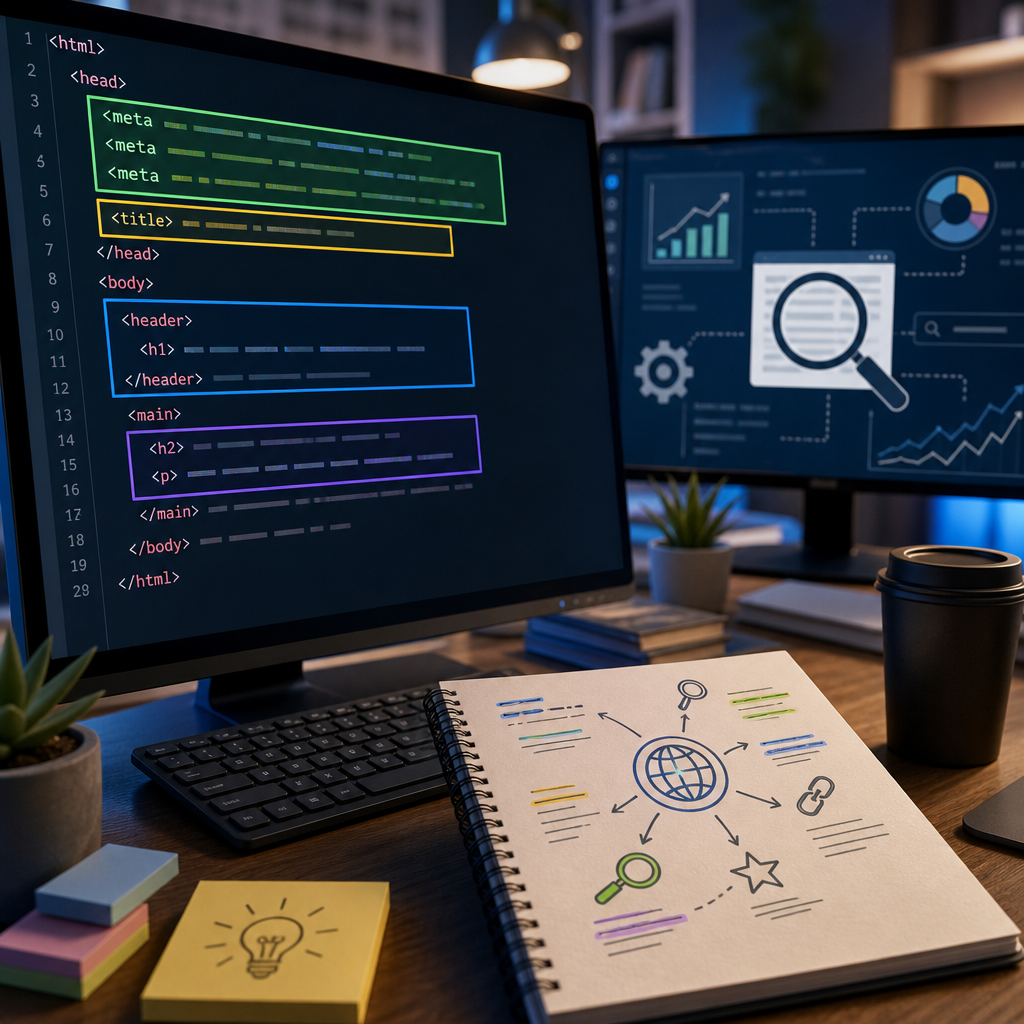
For beginners, mastering the SEO basics is the first step. Here are the fundamental components you need to know:
1. Keyword Research
Keywords are the terms and phrases people type into search engines. Identifying relevant keywords for your content is crucial. Use tools like Google Keyword Planner or other SEO software to find keywords with a good balance of search volume and competition. For example, if you’re writing a blog about SEO, targeting the keyphrase “SEO fundamentals” is a great start.
2. On-Page SEO
This refers to optimizing individual pages on your website. Important on-page factors include:
- Title Tags: Use your main keywords naturally in the title of each page.
- Meta Descriptions: Write compelling meta descriptions that include keywords and encourage clicks.
- Content Quality: Focus on creating valuable, informative, and easy-to-read content that addresses your audience’s questions.
- Heading Tags: Use H2 and H3 headings to structure your content and make it easier for both users and search engines to understand.
- Image Optimization: Add descriptive alt text to images and use optimized file sizes for faster load times.
3. Technical SEO
Technical SEO ensures that your website is accessible and easily crawled by search engines. In 2026, this has become even more important as AI agents need clear access to your site’s content. Key technical aspects include:
- Fast page loading speed
- Mobile-friendliness (responsive design)
- Secure connection (HTTPS)
- Proper site architecture and internal linking
- XML sitemaps and robots.txt optimization
4. Off-Page SEO
This involves activities outside your website that improve your search engine rankings, such as backlink building. Backlinks from reputable sites signal to search engines that your content is trustworthy and valuable.
Step by Step SEO Guide for Beginners
Here’s a simple guide to get started with SEO:
Advanced SEO Techniques: Integrating AI and Technical SEO in 2026
With AI-driven search engines reshaping the SEO landscape, it’s essential to align your strategy accordingly:
- Focus on Topical Authority: Google’s May 2026 Core Update rewards deep expertise in specific areas. Create comprehensive content hubs on your niche.
- Ensure Technical Accessibility: Make your website easy for AI bots to crawl and understand — no broken links or blocked resources.
- Leverage Agentic Search Optimization (ASO): Build your brand’s digital footprint not just on your site but across third-party mentions, social proof, and user discussions.
- Enhance E-E-A-T: Demonstrate Experience, Expertise, Authoritativeness, and Trustworthiness consistently in your content.
SEO Tips for Beginners and Small Business Owners
For students, bloggers, and small business owners who might be overwhelmed by SEO, here are some practical tips:
- Start Simple: Focus on quality content and basic on-page SEO first.
- Optimize Your Blog: Learn how to optimize your blog for SEO by using descriptive titles, categories, and tags.
- Use SEO Plugins: If you use WordPress, tools like Yoast SEO or Rank Math simplify optimizing your posts.
- Keep Learning: Explore beginner-friendly resources such as the SEO books available on CodDesire.com for deeper insights.
- Stay Updated: SEO is constantly changing—stay informed about updates, especially those related to AI and technical SEO.
Frequently Asked Questions (FAQ)
What is SEO and why is it important?
SEO is the process of optimizing your website to rank higher in search engines, which is important because better rankings increase your website’s visibility and traffic, ultimately helping you reach your goals.
How can beginners learn SEO quickly?
Beginners can learn SEO quickly by focusing on basic techniques like keyword research, on-page SEO, and creating valuable content. Using beginner SEO guides and practicing consistently also helps.
What are the basic SEO techniques?
Basic techniques include keyword research, optimizing title tags and meta descriptions, improving site speed and mobile-friendliness, and building quality backlinks.
How does SEO help small businesses?
SEO helps small businesses by increasing their visibility online, driving organic traffic without paid ads, improving brand awareness, and attracting customers who are actively searching for their products or services.
Sources and further reading
- SEO Best Practices for 2026: What Actually Works Now – The Stacc
- Google Launches Core Update Amid I/O AI Search Overhaul – SEO Pulse – Search Engine Journal
- Agentic Search Optimization reshapes brand visibility in AI search – TechRadar
- SEO Fundamentals: The Complete Guide To Logic, Strategy & Updates (2026) – Search Engine Zine
For practical tools and AI-powered SEO insights, consider exploring Nexus AI by CodDesire, which can help automate and enhance your SEO efforts.